


Many of you are writers. And many of you want to write a book.
And most of you are waiting.
To be chosen, picked, crowned, and deemed worthy of becoming an author…the title that will change the entire trajectory of your life and career.
The title you can choose for yourself. Right now.
Let’s rewind a bit. The year was 2008. I had started a little blog called The Champagne Diet and knew I wanted it to become a book. It would be part memoir, part personal development through the lens of a twenty-something year old girl navigating life and love in New York City.
Think Sex and The City meets The Secret. It sounds like a weird combo, I know. But the concept worked because my blog was starting to blow up. I knew this book would be a hit.
I had glittering dreams of a Y2K cosmopolitan-fueled book party and signings at the Union Square Barnes and Noble in New York City dancing through my mind. I’d wear pink (obviously) and get write-ups in Vogue. It was all happening beautifully in my pretty little head until…it wasn’t.
A few years into writing my blog I did wind up securing a literary agent. Something that 99% of people can’t do (look up the stats, I’m not being dramatic). Once I got my agent, the real work began.
The book I dreamed of publishing had to first take shape in the form of a competitive proposal that would have to dazzle the editorial assistants at all the major publishing houses and even the smaller ones. If it passed initial scanning from the assistant, it would get through to the acquisitions editor. Then, if we were lucky, the editor would take it to the publisher.
That proposal took six painstaking months to create. I worked on it day and night. Obsessing over every detail and pouring every bit of energy I had into getting it “perfect.”
Once the book went on submission to editors, we waited some more. Every day I stalked my inbox hoping and praying someone (anyone) would email us back.
Finally, three months after my precious proposal began collecting digital dust, I sent my agent a frustrated email asking for answers. I got back a laundry list of No’s from all the major publishers and even the small ones. Nineteen, to be exact.
The feedback was similar: She’s not a celebrity. Her writing is good but it’s not great. The story isn’t unique enough.
At the same time, I had been keeping an eye on what was happening in the world of self-publishing. Amazon had recently launched a print-on-demand platform for authors called CreateSpace (now known as KDP) and it was gaining a ton of popularity.
Creators everywhere—authors, musicians, artists—were realizing that the gatekeepers were no longer relevant thanks to platforms like YouTube, CreateSpace, and the budding world of social media. Seth Godin wrote a blog called Pick Yourself that became my power mantra.
I decided to stop letting those gatekeepers determine my fate and I self-published my book.
I didn’t have a big audience. Thanks to the noise I created on my tiny Twitter account that I barely knew how to work, and my personal Facebook page filled with family and friends, that book hit #1 on multiple categories on Amazon the weekend of its release.
I became addicted to the speed, creative freedom, and power of self-publishing. Just me, my voice, and the ability to put it directly into the hands of women who needed it.
So I kept going.
I self-published a book every year after that, refining my voice, learning what worked, and building my audience.
Eventually, I self-published a book called Girl Code.
Girl Code wasn’t just another book. It was a movement. It was a book about everything I believed about women—that when we show up fully for ourselves and for each other, we win. That so much of what we imagine for ourselves is possible. There are women out there already living proof of it. And when we turn envy into inspiration instead of competition, incredible things can happen. That women are infinitely more powerful together than apart. That ambition, friendship, and success is so much better when we stop competing and start collaborating.
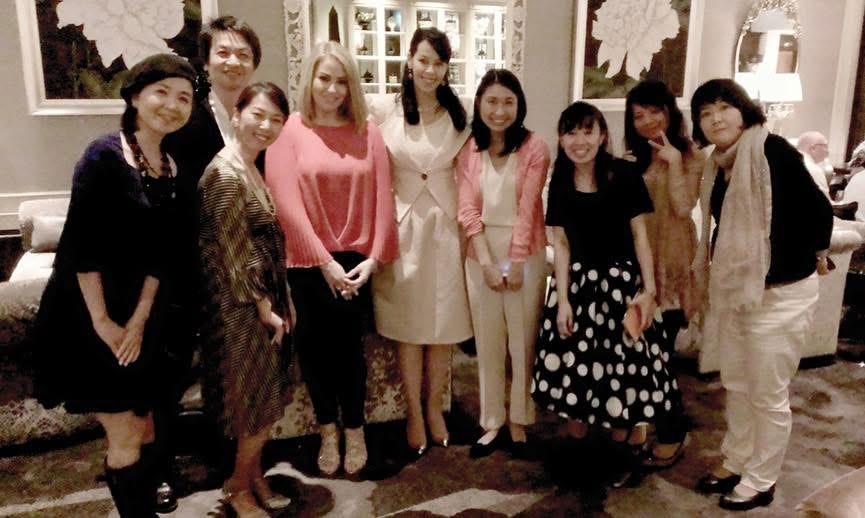
Girl Code went on to sell over 76,000 copies on Amazon in a matter of a few months. I was suddenly being asked to give keynote speeches around the country. I was approached by foreign publishers to translate the book. I was even invited to Tokyo to sign books for a group of women who were using Girl Code to practice their English and empower themselves.
And I was making a lot of fucking money.
At the height of Girl Code, I was making consistent $20,000 months just from my sales on Amazon.
Not because a publisher chose me. But because I chose myself.
And then one Thanksgiving eve, I looked at my inbox and there it was. An email from an editor at Penguin Random House. They wanted to talk.
After years of rejection, years of doing it on my own, I was finally being offered a book deal. A pretty hefty one, at that.
$200,000 for two books.
They wanted to buy the rights to Girl Code and publish my next title, which would become Like She Owns the Place.
I was thrilled, flattered, excited, and curious. Not because I didn’t believe in the power of self-publishing, but because I wanted to explore the dream I had carried with me my whole life. I wanted to see what would be possible with a massive publishing house behind me. I was incredibly hopeful.
So I took the deal.
And in some ways, I’m grateful that I did. I got to see the side of publishing that felt so far away from me for so long. I got to walk through the doors of Penguin Random House and sit at a conference room table – the same one that Sophia Amoroso and Seth Godin sat at. I got to have a team do my makeup and style me for my book cover. I got to receive a very large sum of money for my work, something I never dreamed I’d experience, especially after so much rejection.
But I also got to see a very harsh reality of the traditional publishing world.
First let’s talk about the advance. The thing about a book advance is that you have to actually “earn out” an advance before you ever see a penny of your royalties. Think of it as a loan against your own book.
It’s not a gift.
And since your royalty rate as a traditional author is somewhere between 5-8% of each book sold, that’s the percentage that’s put toward your advance.
I receive 7.5% of my book sales. You can do the math here. Years later, I still haven’t earned out that advance. And I’ve sold over 75,000 books through Penguin.
And it’s not just about the money. Traditional publishers rely heavily on the author to do the majority of the marketing for the book. They don’t choose you and decide to build you into a famous author.
They choose you because they know you can sell a book. Then they keep most of the royalties.
And you are still doing an enormous amount of work to sell that book. You’re coordinating your own blurbs for the cover and the sales page. You’re reaching out to people to set up interviews. You’re coordinating (and paying for) your own book launch events.
Some can argue that they provide you with a team so the trade-off is worth it. Sure, you’re assigned an editor, a publicist, and a cover designer. But you don’t pick that team. And you’re one of many authors in a machine that just doesn’t have the capacity to give your book the level of attention it deserves. At least in my experience.
And possibly the most heartbreaking part of all of this?
They own your work. Forever.
Unlike my independently published books, I couldn’t just decide I wanted those rights back. They were governed by the terms of my publishing contract.
As an entrepreneur, I quickly experienced the downside of my traditional publishing experience. And I knew I’d go back to self-publishing immediately.
And that’s exactly what I did.
To date, I have earned more money from my self-published books than I did my book deal. $721,509.26 to be exact.

On top of that, I have complete creative control and ownership of those books. I got to choose my covers. I got to pick my editors. They appear on Amazon, in some bookstores, in some airports, and in 10 languages around the world.
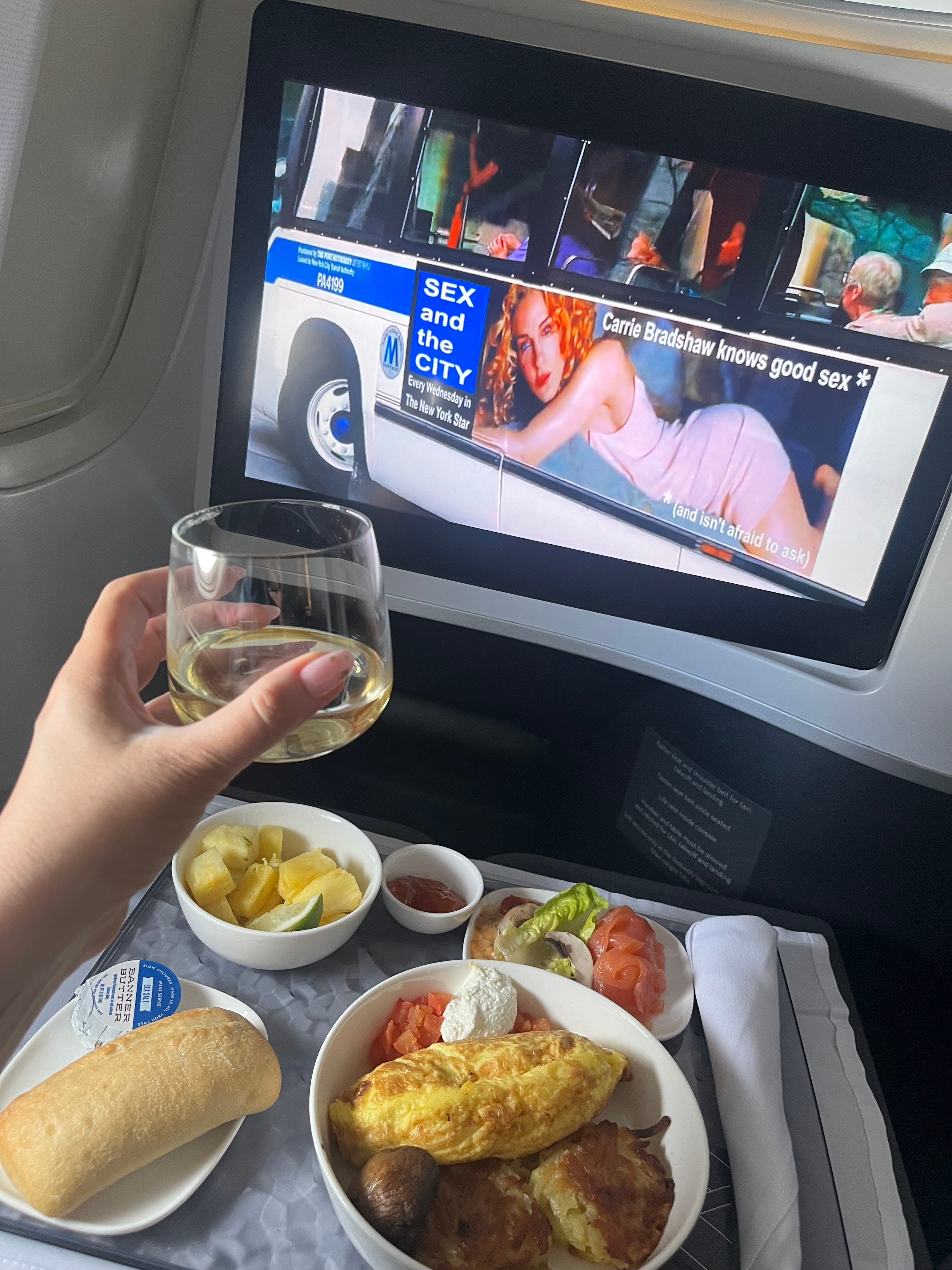
Two summers ago, I flew to Paris to sign books and do interviews with French podcasts for the release of my self-published book, Girl on Fire, in French. A woman-owned, boutique French publisher had discovered the book and approached me about acquiring the rights to publish it there.
Not because Penguin opened that door for me. Because the book I chose to publish myself traveled far enough to open it on its own.
That experience also reminded me that I’m not anti-publisher. I’ve worked with wonderful people in publishing, and there are independent and boutique publishers doing beautiful work and creating partnerships that genuinely serve authors.
What I am fiercely against are the economics of the major traditional publishing model.
I think authors deserve better.
I think it’s absurd that the person who creates the intellectual property gets such a small percentage of the revenue it generates. I think it’s absurd that authors are expected to have a built-in audience, market their own books, sell their own books, and then hand over the lion’s share of the royalties — along with significant creative control — for the privilege of being published.
And yet, writers spend their entire career working toward that privilege.
And I get it. We have a natural instinct to be chosen, and traditional publishing is based on the idea that you are lucky to be chosen by them.
And to that I say…fuck that.
It is time to choose ourselves. To do it our way. And doing it our way does not mean we need to do it in isolation.
There is a massive difference between a publishing partnership and a publishing hierarchy. There are models that prioritize and honor the author, creatively and financially. I created that model with Pink Ink Press.
And choosing yourself is not limited to publishing books. This goes for everything we create. Podcasts, brands, events, businesses. Waiting kills momentum. Waiting kills creativity. Waiting keeps you small.
And waiting keeps you broke.
There is a whole world waiting for you when you choose yourself.
Maybe it’s time you stop begging for a door to open and instead build your own damn house.
xx
Cara
PS - My inbox is filling up with questions about publishing, book ideas, Substack + what to do next. If you want to dig into yours with me, I opened a handful of private Power Hour sessions for September. Bring me the thing that’s been living rent-free in your head. We’ll spend an hour figuring out what to do with it — and you’ll have a week of email access to me afterward. :)
Book a Power Hour with me → caraalwill.thrivecart.com/substack-power-hour/
This is really fabulous. I am a traditionally published author. 4 times and I'm tired and sick of the high-handed attitude of publishers towards authors. I am thinking of self publishing. Your article is very interesting but it doesn't give the nut & bolts of what one needs to do to be able to make money from self publishing. Also I write fiction. Thrillers. Your book is nonfiction and you have come out with a book every year. How can I educate myself about what one needs to do to make money from self publishing?
My best friend told me self-publishing was a mistake. I’m glad I didn’t listen. Thank you Cara for paving the way. I’ve been following you for years & years.